Devices and communications
Secure communications: messengers, email, hardware keys
Three things that close most real risks for a person, not for a server.
4 min read
Most leaks for private individuals happen not through hacking but through account access: a guessed password, an intercepted SMS code, phishing. So the order is: logins first, then channels, then devices.
Logins
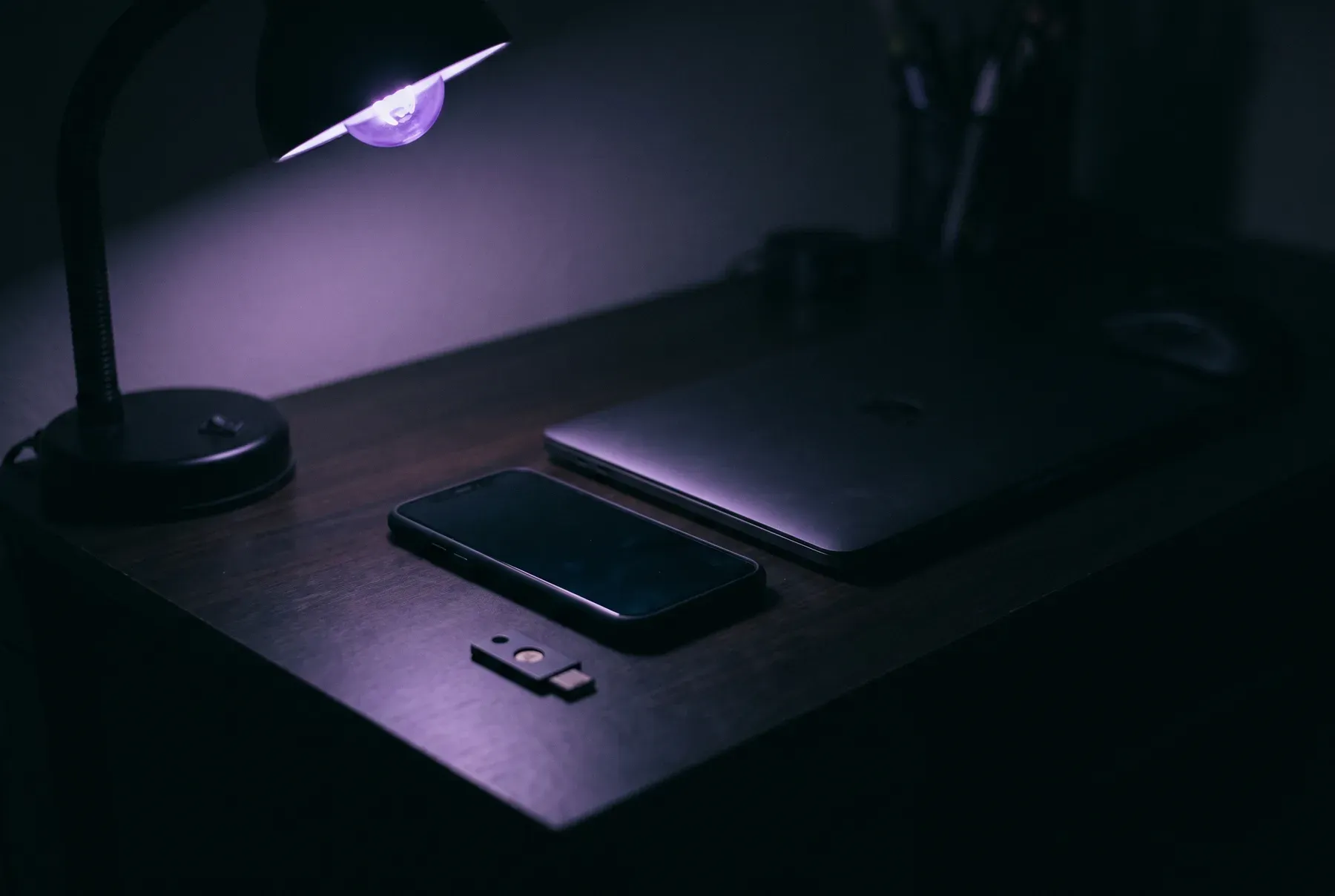
A password manager and a hardware key (FIDO2, for example YubiKey) for email, messengers and cloud. SMS as a second factor does not protect: the number gets reissued with a forged power of attorney.
Messengers
Signal for everyday communication, Session where number anonymity matters. Disappearing messages by default, a registration PIN, safety number verification with key contacts.
A separate mailbox for sensitive correspondence, a hardware key for login, encryption where the other party supports it. The main rule: email is for documents, not for secrets.
What we do
We set all of this up together with you in one session, explain what changed and give a one-page cheat sheet.
Articles
GrapheneOS: what it is and who really needs it
An operating system for Pixel without Google services by default. Not for everyone, but for some the only option.
4 min read
What a pentest is and how it differs from a vulnerability scanner
A scanner finds known holes from a list. A pentester thinks like an attacker and chains small things into a real breach.
4 min read